 | 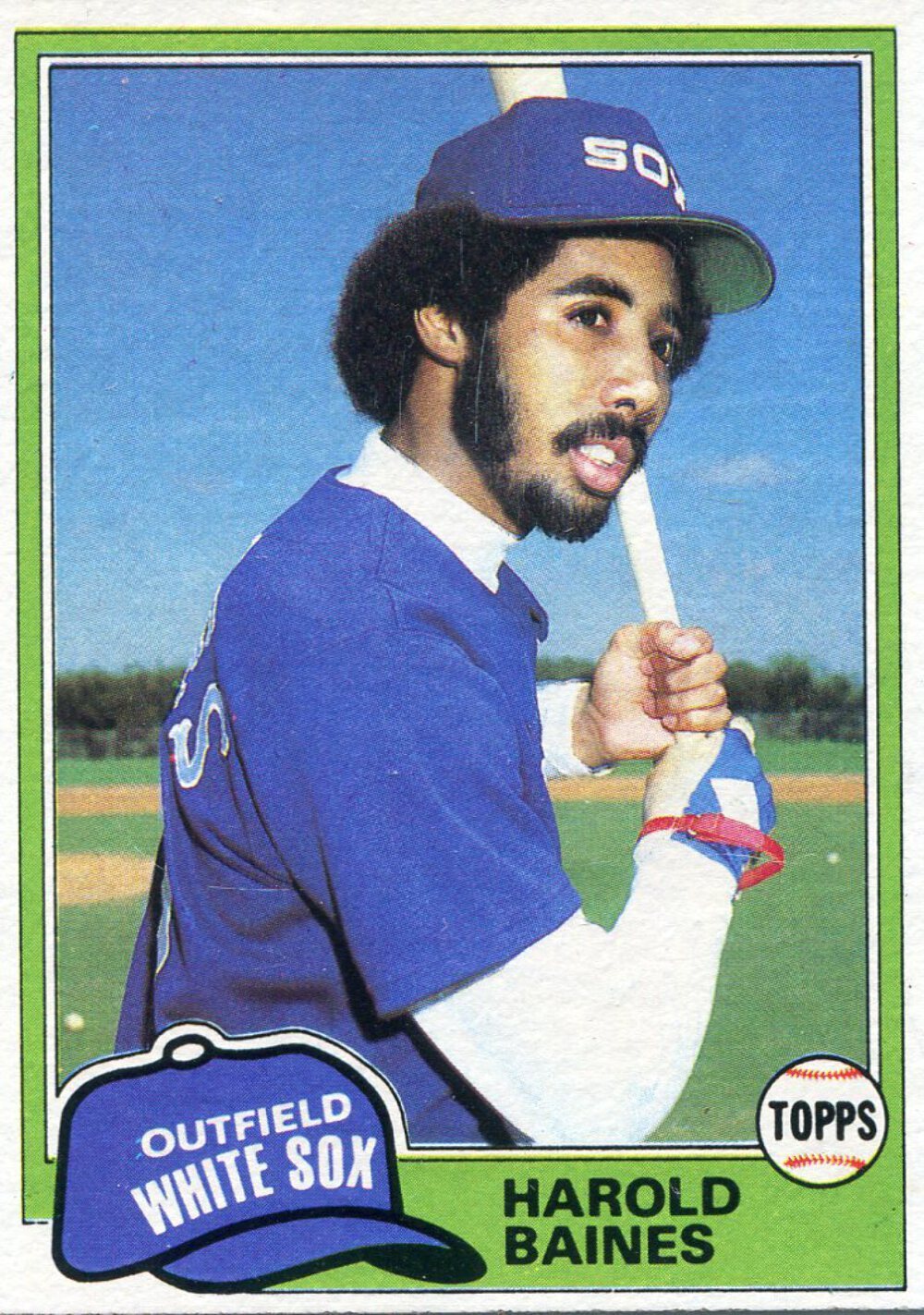 |
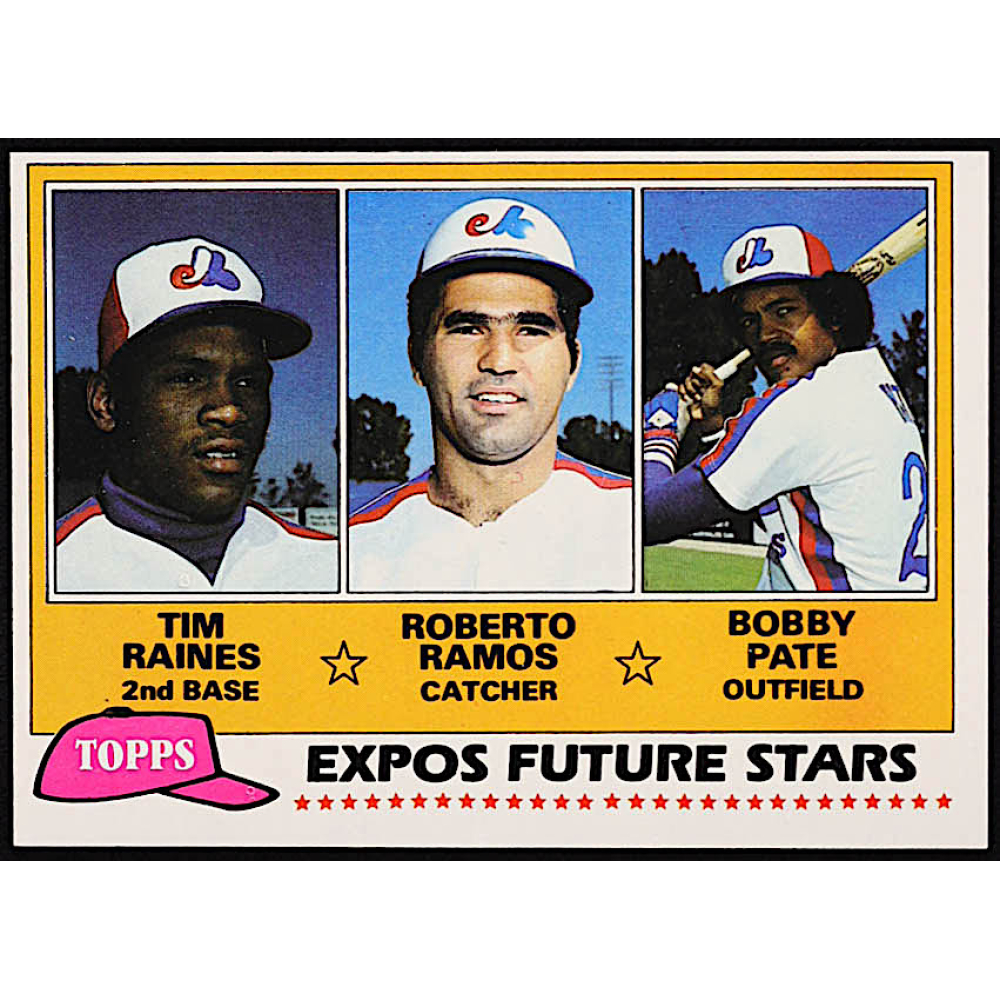
RAINES AND BAINES
Opening a pack of 1981 Topps baseball cards was a very different experience from modern card collecting—no guaranteed hits, no inserts, just pure randomness and a lot of commons. Here’s what you realistically would have gotten in a typical pack.
- 15 cards
- 1 stick of gum (often rock-hard by the time you opened it)
- No special inserts, autographs, or parallels
What you’d usually pull in an average pack around 12–14 common players, maybe one star or league leader or highlight card; Examples of stars you might see: Mike Schmidt George Brett Nolan Ryan Pete Rose Reggie Jackson Tom Seaver. But even these weren’t necessarily considered “hits” at the time, more ‘thank goodness I don’t have to trade for that one’ or ‘kick ass, its Pete Rose’.
The cards everyone hoped for were Fernando Valenzuela (rookie card), This was the big chase, especially during “Fernandomania” and Tim Raines (rookie card) but to a lesser extent. Also highly popular were second year Rickey Henderson, and Kirk Gibson and Harold Baines Rookie.
In 1981 a pack cost .30, this was an increase from .25 in 1980. A graded unopened pack could now fetch $150 on ebay. Odds and value; There were 726 cards in the full set and pulling any specific card (like Valenzuela) was roughly 1 in 48 packs (very rough estimate). So most kids like myself opened tons of packs, built partial sets and rarely hit the “best” cards.
The 1981 set was also available in clear cellophane Rack packs which contained 42 cards (3 sections of 14 cards) which were sealed in clear plastic with visible front/back cards. This allowed one major difference: You could see some cards before buying and people would “cherry pick” packs showing stars on the outside. I certainly did. I think that some might have had patterns or maybe that is my own Mandella Effect.
Chat GPT** had a theory:
Why collectors thought patterns existed
People noticed “patterns” because:
- Certain stars like Nolan Ryan or George Brett appeared more often in visible rack positions
- Sheet collation meant some cards repeated at predictable intervals
- Store racks often came from the same batch, creating local clustering
I think probably 2 is most accurate and 3 is possible to probable. I think its first answer is an anomaly because I don’t think there is any evidence to suggest that it is correct.
A 1981 Topps rack pack typically sold for about $0.99 and for your buck you got 42 cards and no gum.
And the no gum thing is ho hum for me because TBH the gum was never great. I don’t recall the gum causing a lot of damage but the wax of the package ruined one card per pack. The internet says “The “wax” in the pack is paraffin-based petroleum wax” ergo your staining.
I always felt the front ones could have the wax removed with no residue, perhaps because the front was glossy and the back was matte? I recall once ironing a 1986 card because I had had it with this problem. I think that I was able to get the wax off but the back of the card remained stained, so might as well leave it as the Topps gods intended.
Realistically if you bought several packs from the same box you might also run across the #2 killer of value, centering.
I asked Chat GPT**; on average how off centered was a 1981 Topps baseball card?
There isn’t a single official “average centering value” recorded for Topps 1981 baseball cards, but we can answer this reliably using grading population data and what PSA/BGS grading standards consistently show for that era.
On average, 1981 Topps cards were noticeably off-centered by modern standards, typically: 60/40 to 70/30 centering (fairly common) With many cards drifting even worse 75/25 or more off-center was not unusual. Truly well-centered cards (50/50 or near it) were relatively rare.
The takeaway from the rack pack was yeah you got no gum but you also could see the condition of the cards as well as the players but it was a slightly worse buy getting 42 cards for .99 whereas three wax packs would have gotten you 45 cards for .90 but with 3 cards having probable wax damage.
**always accurate mostly
 Hoosier Favorite Card