 | 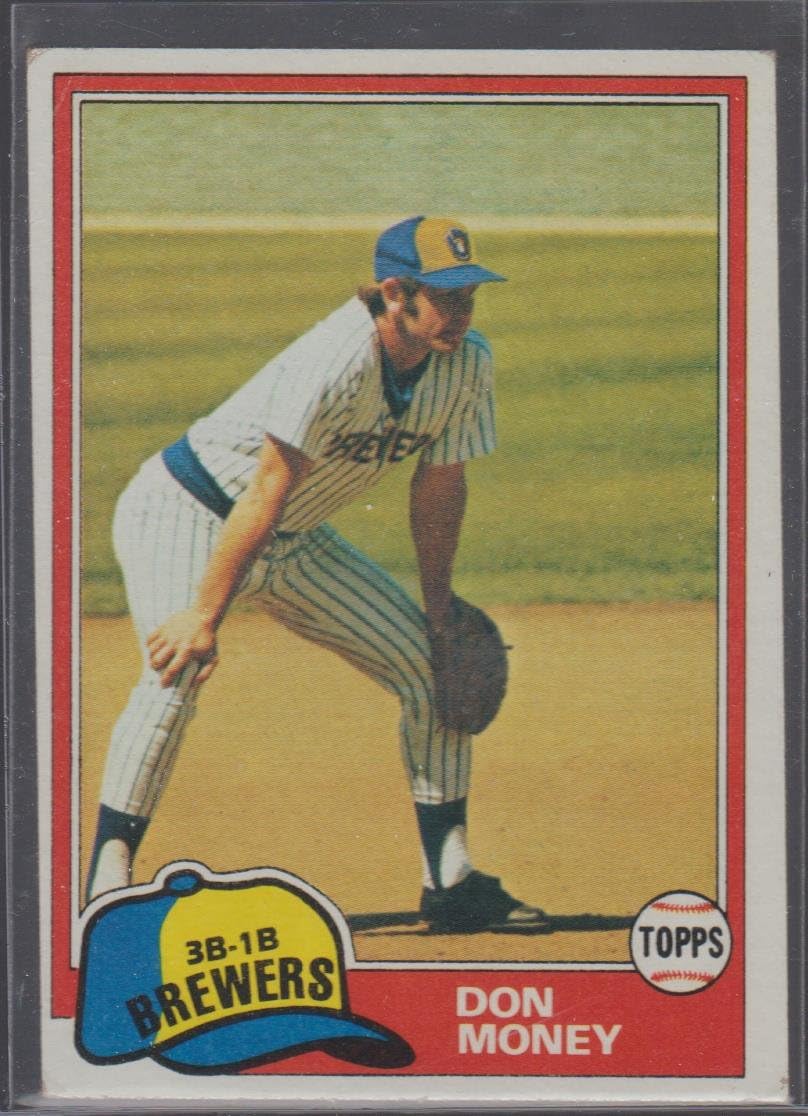 |
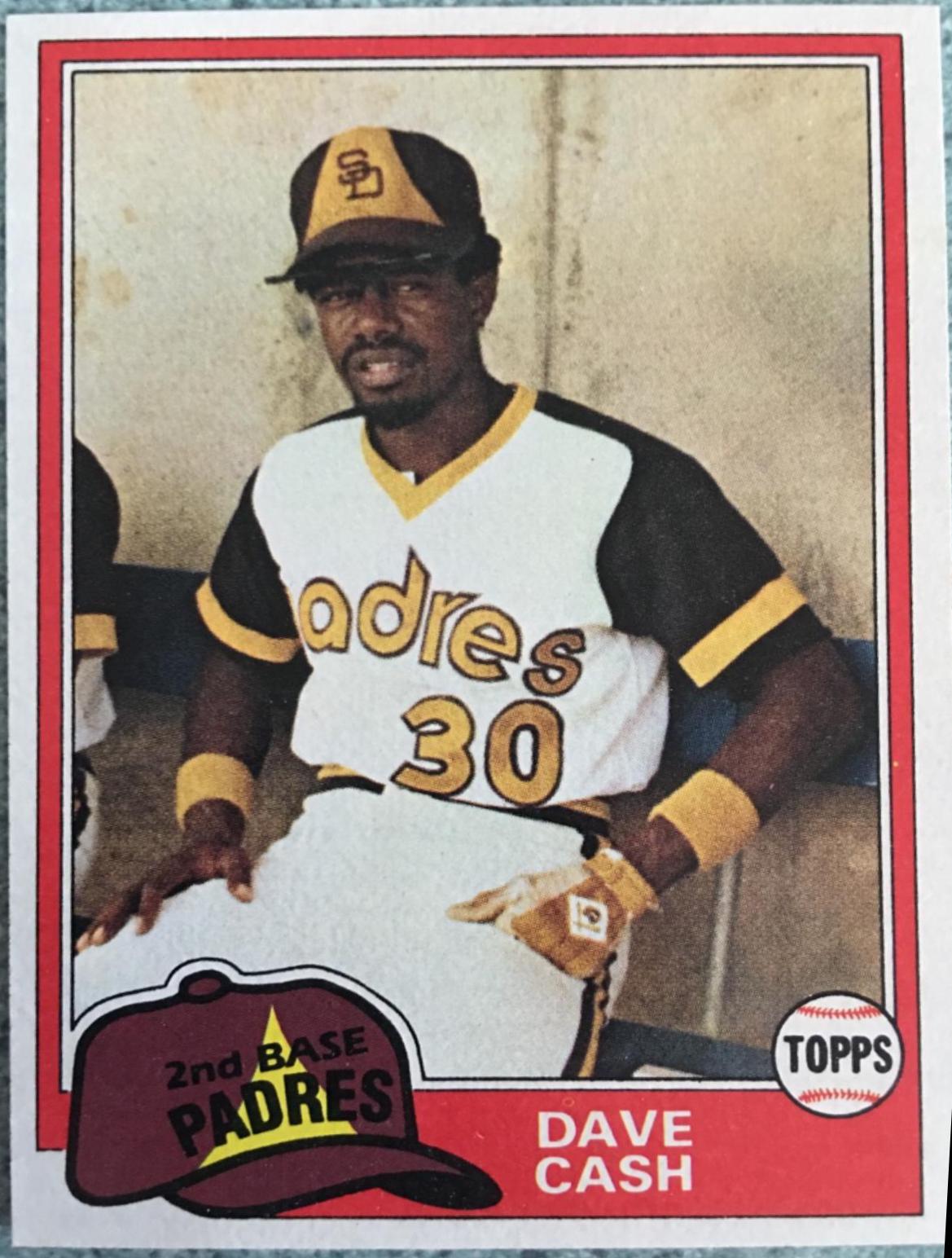
1980 was a turning point for Major League Baseball salaries.
By that year, the league had just come out of the Seitz decision in 1975, which introduced modern free agency. Before that, players had very little control over their careers. After it, teams had to compete for talent, and salaries began rising quickly.
In 1980, the average salary was about $143,756, while the league minimum was $30,000. However, the average doesn’t reflect what most players actually earned.
A typical non-star player in 1980 often made somewhere between $50,000 and $120,000. Younger players and bench players were usually much closer to the minimum because they had little negotiating power early in their careers. Adjusted for today’s dollars, that range is roughly equivalent to about $175,000 to $400,000.
At the top end, star players were already pulling far ahead financially. Nolan Ryan was had become the first $1 million per year player. Dave Winfield signed a groundbreaking 10-year, $23 million contract in 1980, averaging about $2.3 million annually. Reggie Jackson was also a high earner.
That means top players were making roughly 10 to 30 times more than players at the bottom.
What made this era unique is that free agency was still new. Teams were willing to spend heavily on proven stars, but younger players remained underpaid until they gained experience and leverage. There was no luxury tax system or modern revenue sharing structure, and long-term mega-contracts were still experimental.
Another important factor is that careers were less secure, and endorsement money was far more limited than today. Even players earning $100,000 were not building the kind of long-term wealth that modern athletes often do.
Compared to today, the structure is similar but the scale is very different. The league minimum is now around $780,000, and the average salary is over $4 million. Star players can earn $30 million to $50 million per year.*
The key difference is that today’s system has raised the floor significantly, so even the lowest-paid players are very well compensated, while the ceiling for superstars has grown even faster.
In 1980, attending a Major League Baseball game was relatively affordable for most fans. The average ticket price was about $4.45, with premium seats in some parks reaching around $7.50. Concessions were also inexpensive by modern standards, with hot dogs typically costing between $0.50 and $1.00 and beers around $1.00 to $2.00. Altogether, a simple game-day experience—one ticket, a hot dog, and a beer—might cost roughly $6 to $10. For many working-class fans, this represented about one to two hours of wages.
At that time, baseball’s business model relied heavily on attendance. Teams depended on gate revenue, meaning ticket sales were the core source of income. Keeping prices low helped maximize attendance and maintain the sport’s position as a mass-market entertainment product.
In contrast, modern Major League Baseball looks very different economically. Today, the average ticket price is around $38, though many teams charge significantly more for premium seating or high-demand games. Concessions have also increased sharply: hot dogs commonly cost about $5.50 to $6.50, and beers often range from $7 to $10 or more depending on the stadium. A typical game-day experience now—ticket, hot dog, and beer—often totals $50 to $60, and can exceed $70 in major markets. That doesn’t account for transportation or parking, souvenirs, or snacks.
When adjusted for inflation, prices today are still higher than they should be based on general economic trends. Tickets, food, and beverages at ballparks have all increased faster than inflation since 1980. This means attending games is less affordable relative to wages than it was in the early 1980s.
However, the most important change is not just pricing, but the business structure of baseball. In 1980, fans at the stadium were the primary source of revenue. Today, most league revenue comes from television contracts, streaming rights, sponsorships, and luxury seating. As a result, ticket sales and concessions are no longer the financial foundation of the sport but instead function more as premium, experience-driven revenue streams.
Concessions in particular have risen sharply because stadiums operate as captive markets—fans inside have limited alternatives—and because modern ballparks are designed as entertainment destinations where food and drink are part of the overall experience rather than simple necessities.
The evolution from 1980 to today shows a shift from baseball as an affordable, mass-access entertainment product to a tiered, experience-based industry where live attendance is more expensive and more segmented, even as the sport itself generates far more total revenue than ever before.
I’m no economist but it would seem to me that in order to fill these stadiums and get extra money it would be wise to lower prices across the board. I think the general solution for now is building smaller stadiums like Las Vegas. Probably less maintenance and upkeep and they have a better chance at a sellout. This is probably cyclical and in another 40 years they are going to want to build coliseums again.
*per CGS, Cruddy Google Search.
TO BE CONTINUED…
 Hoosier Favorite Card